The Ultimate Guide to the Moroccan Hammam Experience
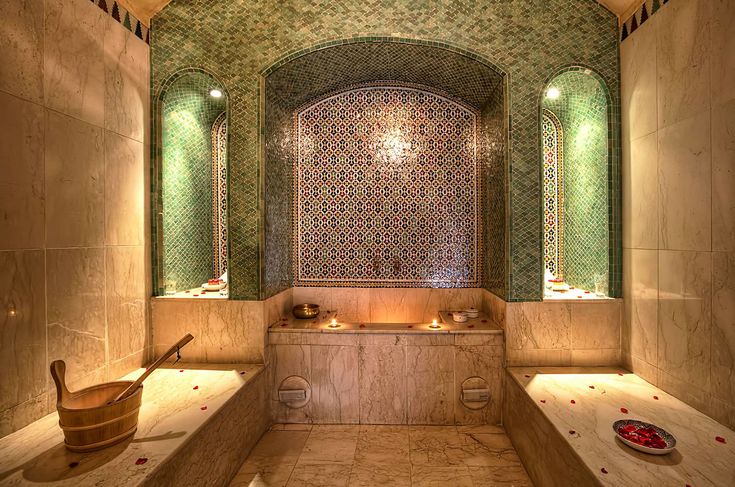
When planning your dream trip to Morocco, you’ll quickly notice that one of the top recommended experiences is the Moroccan hammam. For many travelers, especially first-timers, the idea of visiting a traditional hammam raises questions — and sometimes curiosity, about the rituals, the steam, the scrubbing, and yes… the nudity.
This guide breaks down everything you need to know about the Moroccan hammam, from its cultural roots to what actually happens inside, and how to prepare for your first authentic experience.
What Is a Moroccan Hammam?
A Moroccan hammam is a traditional public bathhouse and a deep-cleansing ritual deeply rooted in Moroccan culture. The concept originated from the Roman bath, which means hammams in Morocco are as ancient as the Roman Empire itself. Over centuries, the hammam evolved into a cultural, spiritual, and communal ritual — far more than just a bath.
The Moroccan comedian Gad Elmaleh, in a humorous explanation on Conan, described it as:
“A steam room with no steam… it gets really hot, and then comes a big man or lady who scrubs your body until all the cheeseburgers come out.”
Funny, but far from the full story.
The true essence of the hammam is purification, community, and well-being.
Why Hammams Are Important in Morocco
Cleanliness holds great significance in Islam, which shaped Morocco’s traditional medina architecture. That’s why hammams were built next to mosques, fountains, ovens, and schools, the essential structures of community life.
Why the Hammam Became a Daily/Weekly Ritual
Most medina homes did not originally have running water or space for private bathrooms.
Families relied on the communal hammam for bathing, especially for deep cleansing.
Hammams were ingeniously built wall-to-wall with the community oven (ferran) so that the heat used for bread-making warmed the hammam rooms and water.
Even today, the hammam remains a symbol of Moroccan tradition, well-being, and community connection.
Types of Moroccan Hammam Experiences
Depending on your comfort level and travel style, you can choose from two main types of hammams:
1. Traditional Communal Hammam
Perfect for travelers seeking the most authentic Moroccan experience.
You’ll bathe among locals, often semi-nude, and perform most rituals yourself, unless you hire a local scrubber (called "Tiyaba" for women).
2. Private Hammam (in Riads or Spas)
Ideal for visitors who want:
More privacy
A more luxurious, relaxing environment
A guided experience
Professional scrubbing and massage
Both experiences are unforgettable, it simply depends on your preference.
What to Bring to a Moroccan Hammam
Before heading to the hammam, pack your hammam kit:
Towel
Clean clothes to change into afterward
Kessa glove (scrubbing glove)
Black soap / Beldi soap (olive-based Moroccan soap)
Optional: hair oil, shampoo, conditioner, and a small bucket (communal hammams provide one)
How the Moroccan Hammam Ritual Works
A traditional Moroccan hammam usually has three rooms, each increasing in temperature.
1. The Warm Room
You begin here to acclimate your body and relax your muscles.
2. The Hot Room
Your pores begin to open, and your body starts releasing toxins.
3. The Hottest Room, The Deep Cleansing Stage
This is the heart of the Moroccan hammam ritual:
You apply beldi soap all over your body
After letting it sit, you receive (or perform) an intense kessa scrub
Dead skin will roll off your body in surprising amounts, even if you think you shower daily!
Most travelers are shocked by how deeply cleansing and rejuvenating this step is.
Nudity in the Moroccan Hammam, What to Expect
Yes, nudity is part of the Moroccan hammam culture, but not fully nude.
Women’s Hammam
Most women start with swimsuits or underwear.
As the heat increases, some women may remove the top piece.
Full nudity can happen but is less common.
In private hammams, you wear whatever makes you comfortable.
Men’s Hammam
Men typically wear shorts (often knee-length).
There is less socializing compared to women’s hammams.
Men commonly help each other scrub hard-to-reach areas like the back and shoulders.
Special Men’s Hammam Traditions in Morocco
Men often prefer visiting the hammam on:
Thursday night
Friday early morning
This is connected to preparing for Friday prayers, the holiest day of the week in Islam. Communal hammams are usually busiest during these times.
Women use the hammam from late morning until sunset, while men occupy it from sunset through the night, and early mornings.
Why You Should Try a Moroccan Hammam During Your Trip
A Moroccan hammam is more than a bath,it’s:
A deep-cleansing ritual
A cultural immersion
A stress-relieving experience
A connection to centuries-old Moroccan traditions
Whether you choose a luxurious private hammam or a bustling traditional one, this is one of the must-do experiences in Morocco.