Hamsa in Judaism: The Hand of Miriam and Its Ancient Symbolism
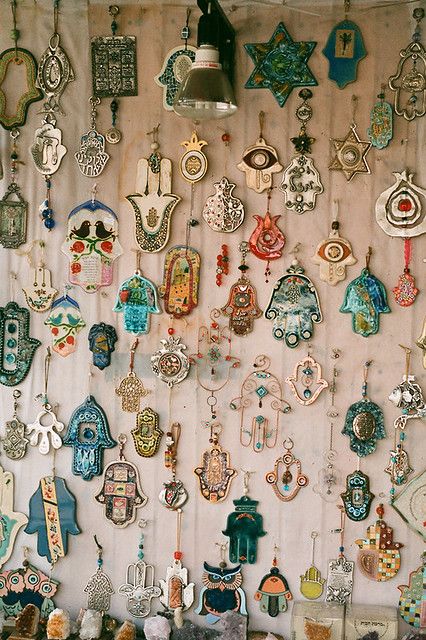
The Hamsa, also known as the Hand of Fatimah in Islam and the Hand of Miriam in Judaism, is one of the most recognizable protective symbols in the Middle East and North Africa. While widely associated with Islamic culture, the Hamsa holds deep spiritual significance in Judaism, where it represents divine protection, blessings, and the warding off of the evil eye.
This ancient amulet has traveled through civilizations, religions, and centuries, remaining a powerful icon of faith, protection, and good fortune.
Shared Roots: Islam and Judaism’s Connection Through the Hamsa
Islam and Judaism share remarkable similarities in spiritual practices and beliefs. The Hamsa is one of those symbols that appears in both religions, carrying nearly identical meanings.
In Islam, the Hamsa (or Hand of Fatimah) is believed to protect against the evil eye and envy.
In Judaism, the same symbol exists as the Hand of Miriam, offering protection, blessings, and a reminder of God’s presence.
This shared iconography highlights the interconnected history of the two Abrahamic faiths.
The Hamsa in Jewish Tradition
In Judaism, the hand is considered a symbol of blessing and divine power. Jewish tradition teaches that Jacob blessed his children with his hands, following the command of God. Because of this, the “hand” became strongly associated with:
The Hand of God
Divine blessing
Protection from spiritual harm
A reminder of God’s presence in daily life
For many Jewish families, the Hamsa serves as both an amulet and a spiritual reminder placed in homes, worn as jewelry, or used during important life events.
Ancient Origins: The Hamsa Before Judaism
Although deeply integrated into Jewish culture, the Hamsa did not originate within Judaism. Historians trace the symbol back to:
🜂 Ancient Near Eastern Pagan Societies
The earliest form of the Hamsa appears in:
Mesopotamia
Phoenicia
Other ancient Near Eastern civilizations
During these early periods, the hand symbol represented Ishtar, the Mesopotamian goddess of fertility, love, and protection. The hand was seen as the comforting, protective hand of a loving mother goddess, shielding people from harm.
Over time, this protective symbol was adopted by various cultures, including early Jewish communities.
The Hand of Miriam in Judaism
The Hamsa became especially important within Jewish tradition under the name:
✦ The Hand of Miriam
Miriam was the sister of Moses and Aaron, one of the most revered women in Jewish history. The symbol, linked to her strength and virtue, became:
A powerful amulet for protection
A tool to ward off evil spirits
A symbol of purity, courage, and faith
Jewish texts, including the Talmud, reference the protective nature of the Hamsa and its ability to shield against the ayin hara (evil eye).
Hamsa in Kabbalah and Jewish Mysticism
In Hebrew mysticism and Kabbalah, the Hamsa is referred to as:
t’Hum
Hamsa
Himish
All of which relate to the number five, the five fingers of the hand.
The number five holds spiritual meaning, symbolizing:
The Five Books of the Torah
Protection from the five senses
The idea of God surrounding a person from every direction
Many Hamsa amulets also contain three written sounds resembling spitting, believed to repel evil forces or the evil eye. These sounds symbolic rather than literal are an ancient tradition of spiritual protection.
The Hand as a Sacred Tool: The Yad in Judaism
Another symbolic use of the hand appears in the yad, the hand-shaped pointer used for reading the Torah. Its purpose is both practical and sacred:
It prevents direct contact with the Torah scroll
The hand shape symbolizes divine guidance and respect for holy scripture
A similar concept exists in Islam, where a hand-shaped marker is used when reading the Qur’an—yet another shared cultural connection.
Hamsa: A Shared Symbol Between Islam and Judaism
The Hamsa reflects how deeply intertwined Judaism and Islam truly are. Beyond religious differences, both cultures share:
Belief in the evil eye
Use of the Hamsa for protection
The spiritual significance of the hand
A history rooted in ancient Middle Eastern civilizations
The Hamsa stands as a beautiful reminder of the shared heritage and values between these two faiths.