Moroccan Architecture: A Reflection of the Country’s Cultural & Geographic Diversity
When travelers first imagine Morocco, they often picture the classic stereotypes: vast deserts, camel caravans, palm-filled oases, and dark-skinned young men climbing date trees. While these scenes certainly exist in Morocco, they represent only a small part of the country’s incredibly rich and varied landscape.
The truth is that Morocco is one of the most geographically diverse countries in Africa, and this diversity deeply shapes its architecture, culture, and way of life.
Morocco: A Land of Diverse Landscapes
Many visitors are surprised when they begin researching Moroccan destinations. From golden beaches to snowy peaks, Morocco offers a stunning range of landscapes, each one influencing the architectural styles found in its region.
🌊 1. Coastal Morocco
Morocco is bordered by:
The Atlantic Ocean along the entire western coast
The Mediterranean Sea in the north
The Atlantic coastline stretches from Tangier all the way to Lagouira, passing through famous destinations like:
Essaouira
Agadir
Dakhla
In Tangier, the Mediterranean and Atlantic seas meet romantically at Cap Spartel, creating one of Morocco’s most iconic natural scenes.
🏜️ 2. The Sahara Desert
Morocco is home to one of the most breathtaking parts of the Sahara Desert, with towering dunes in:
Merzouga
Zagora
Erg Chigaga
Desert architecture here is traditionally built from clay, straw, and stone, blending harmoniously with the landscape.
⛰️ 3. Lush Valleys & Mountain Regions
Contrary to stereotypes, much of Morocco is green:
The Atlas Mountains, among the highest in Africa
The Rif Mountains in the north
Fertile valleys and farmlands
These areas feature kasbahs, fortified villages, Amazigh houses, and architecture adapted to cold winters and heavy rainfall.
Weather & People: A Mix as Diverse as the Land
Morocco’s varied geography creates dramatically different climates:
Hot and dry in the south
Cool and mild in the north
Snowy winters in mountain regions
Because of this diversity, Moroccans come in many appearances. You may meet people with:
Dark skin
Olive skin
Fair skin
Blue or green eyes
Blonde or red hair
Morocco’s population reflects centuries of Amazigh, Arab, African, Andalusian, Sahrawi, and Mediterranean heritage, all of which play a role in shaping Moroccan architecture.
A Country Defined by Cultural Layers
Morocco is a mosaic of cultures and identities, shaped by differences in:
Language: Arabic and several Amazigh (Berber) dialects
Ethnicity: Arabs, Amazigh, Sahrawi, Gnawa, and more
Religion: Predominantly Muslim, but with historic Jewish and Christian communities
Geographical environment: Coastal towns, mountain villages, oases, deserts, and medinas
Despite these variations, Morocco remains deeply unified. The diversity strengthens the cultural fabric rather than dividing it.
How Diversity Shapes Moroccan Architecture
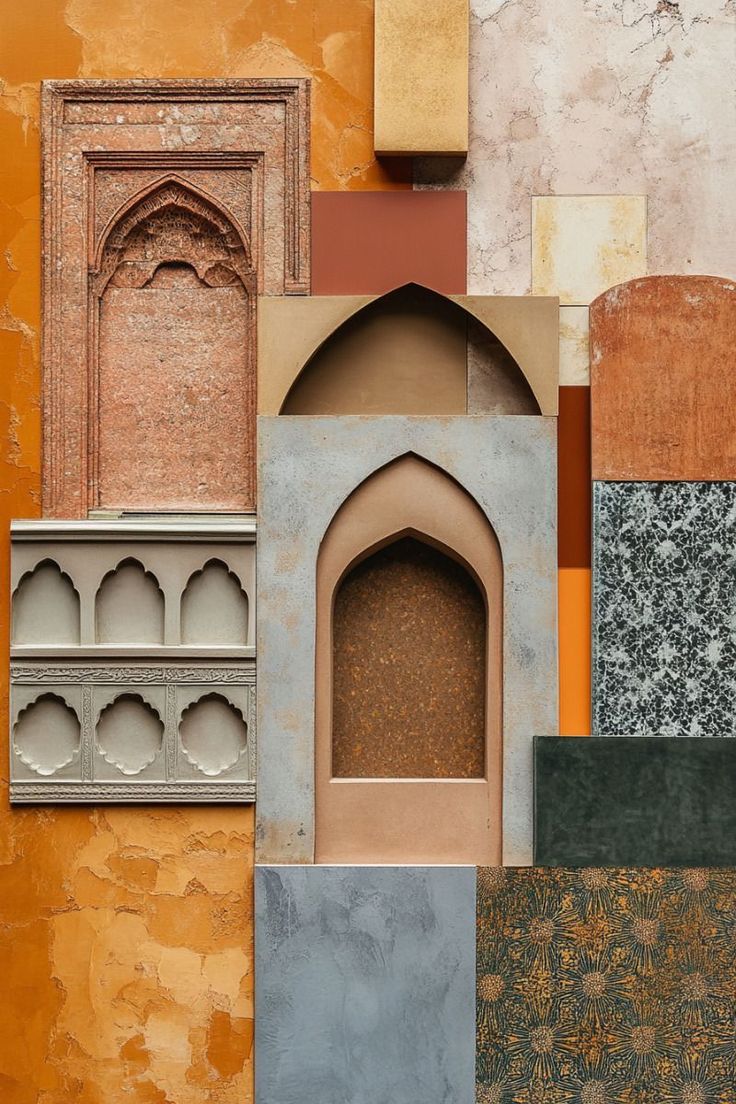
Because Morocco contains such a wide range of landscapes, climates, and communities, its architecture is just as diverse. From region to region, you’ll see different traditional building styles, materials, and motifs that reflect:
Islamic architecture (mosques, riads, madrasas)
Amazigh/Berber architecture (kasbahs, ksars, clay houses)
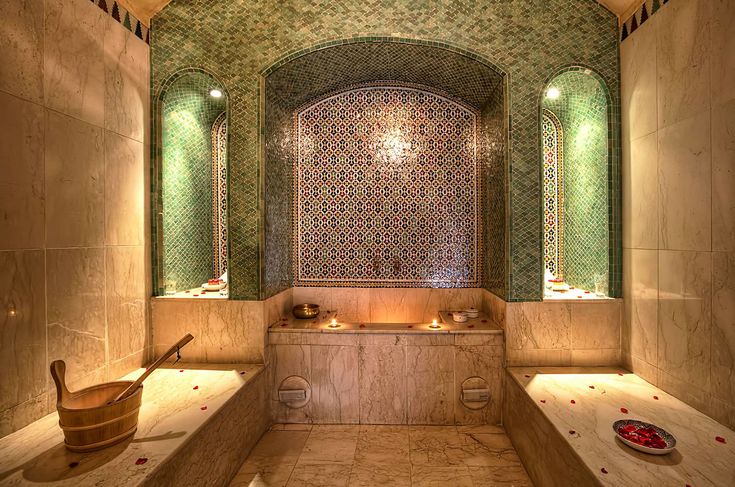
Andalusian influence (arches, courtyards, fountains, zellige tiles)
Saharan architecture (earthen structures suited for heat and sand)
Mediterranean coastal influence (whitewashed houses, blue accents)
Every corner of Morocco tells a different architectural story, from the blue streets of Chefchaouen, to the fortified clay kasbahs of Ait Ben Haddou, to the intricate zellige mosaics of Fes and Marrakech.
Preparing for Your Morocco Experience
With such varied climates and elevations, Morocco is a country where travelers should pack:
Light clothing for warm southern regions
Warmer layers for mountains and northern areas
This ensures you enjoy the full Moroccan experience comfortably, from desert nights to breezy coastal mornings.
Morocco: The True Land of Diversity
Culturally, geographically, and architecturally, Morocco stands as a rare example of unity within diversity. The architectural styles you’ll encounter across the country are a living reflection of:
An ancient history
Mixed civilizations
Unique landscapes
Harmonious social unity
This tapestry of influences is what makes Moroccan architecture one of the most captivating in the world.